Pages

Showing posts with label healing. Show all posts

Thursday, March 4, 2021

Getting Help from Your Healthy Self

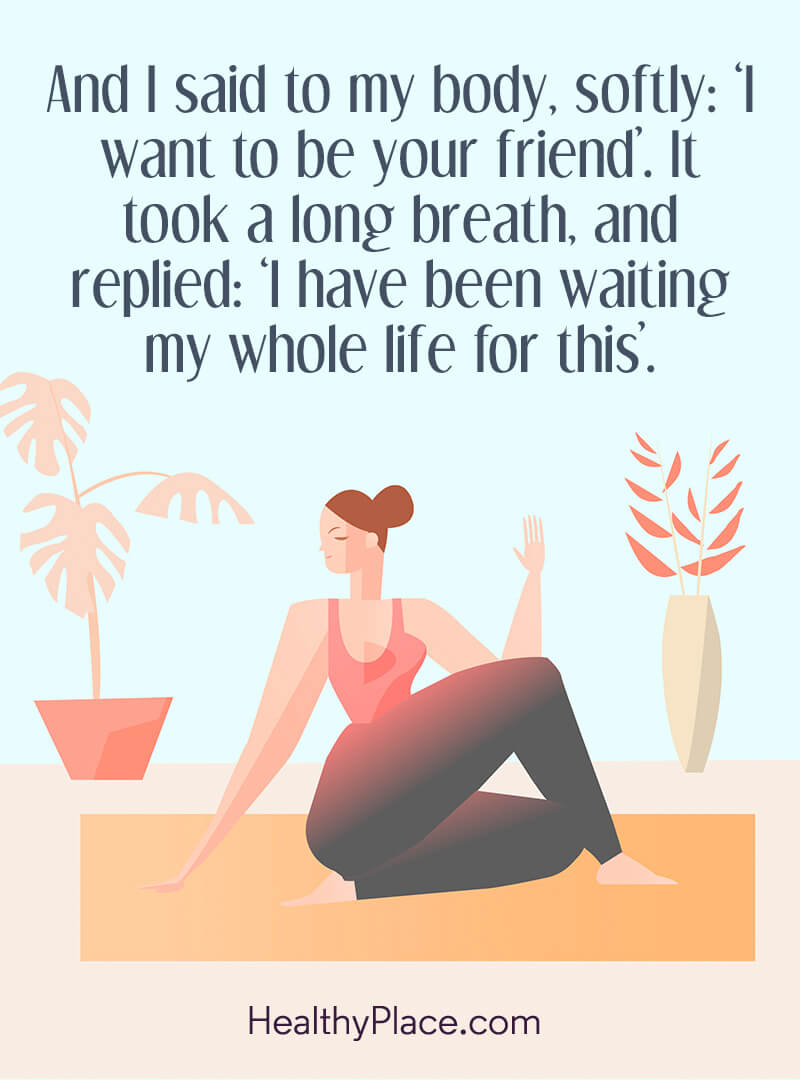
“When your healthy self is strong enough to deal with all that comes your way in life, your eating disorder self will no longer be useful or necessary."

-Carolyn Costin, 8 Keys to Recovery from an Eating Disorder

When I first read this, I was not in a good place. I was standing in the office of the university's therapy department looking through their small self-help library and wondering if any of the other students would notice that I was carrying a stack of books related to anorexia and body image. But as I got better, the idea of my "healthy self" started to make more sense. Somehow, following my meal plan and committing to being honest with myself, my care team, and my family enabled me to get in touch with my healthy self, and having "met" her, I am now able to call on her to help me with my relapse.

So . . . who is this mysterious "healthy self"? And what can we do to better hear her/him/them?

Personally, I find it helpful to imagine my healthy self as an older, wiser sister version of myself--someone who can see through the eating disorder's lies. And sometimes I even imagine her as my inner child--someone who I can take care of the way I take care of my students or siblings. When I'm tempted to listen to the eating disorder voice, I pause and ask myself what my healthy self would do. What would--to quote Marie Kondo--"spark joy"?


Even though listening to the healthy self may make you uncomfortable at first because disordered thought patterns, rules, and routines are so. so. so. ingrained in your subconscious mind, "sparking joy" can be a really useful way to make the healthy voice louder. What would you do in this moment if you were someone without an eating disorder? What would you do if you were, for say, a character on your favorite TV show or in your favorite book? What would bring your heart--not your rule-following mind--joy? And by "joy," I mean real
 joy--the joy that comes from being your true self and fulfilling your heart's need to feel and give love.

Becoming a teacher has made a huge difference in my recovery journey, and I really credit my teaching job for saving my life. Being with my students "spark[s] joy"--even on the hardest days--because it gives me something truly meaningful to focus on that exists outside of eating disorder thoughts.  

Other things that can be really helpful for finding joy outside of your eating disorder include . . . .

1) Reading. I'm currently working through All the Light We Cannot See by Anthony Doerr--a beautiful, powerful, tragic book that gets me out of my worry trails and into my heart space.

2) Watching a long-running television show. If you watch an episode every day/few days/week, that will make the show last longer, and the characters can become friends that remind you that there's more to life than eating and exercising. I really like Felicity, LOST, and Party of Five. 

3) Engaging in joyful movement. I had a really, really bad exercise addiction, so I fully recognize that movement may not be for everyone. And finding ways to cope with anxiety that don't involve movement is essential to fully recovering. But if movement is something you'd like to explore and that you feel would be safe (i.e. not triggering or physically hurtful) for you, I recommend checking out Yoga with Adriene or Mimi Kuo-Deemer on YouTube or blasting music and having a dance party. 

4) Just listening to music! I love Florence & the Machine, The White Stripes, Lykke Li, Bon Iver, Kate Bush, and The Cranberries. I'm also going to dedicate a whole post to songs that have helped me in recovery :).


5) Trying foods you used to love! I can't tell you how happy I felt having an almond butter and jelly sandwich in my lunchbox for the first time in five years when I started "recovering for real" at the end of 2019. And while I'm gluten-free due to gluten intolerance, I discovered the Kinnikinnick version and had my first "Oreos" in over seven years today! And it was really fun! 

6) Picking up old hobbies (or finding new ones). I used to write all the time. I started writing "books" when I was four, and throughout elementary and middle school, I was always thinking of stories and characters and how to bring them to life. I stopped writing in the deepest parts of my eating disorder because all I could think about were food and exercise, but now I'm writing again, and it feels really good to finally be doing heart-centered activities again. 

I'm sending everyone love, hugs, and the Force (I'm a bit of a Star Wars geek). What activities can you incorporate into your day that might help you get in touch with your "healthy self"? Could you call a friend? Plan a movie date with your cat? Whatever you do, remember that you are strong enough to get through your worries. You've got this. 

<3 Frances 


Images from Giphy.


Thursday, February 11, 2021

On Navigating a Slight Eating Disorder Relapse

Lunar New Year is tomorrow. In the class where I teach, we made paper dragons to scare away bad luck, and at home, I'm sweeping the kitchen and hanging some red lanterns in honor of my own Chinese heritage and my hope that the coming year will call in the sturdiness, resilience, and courage of the Ox. My grandmother was a Rat, and given how incredibly challenging last year was, I attribute any of the good that came during it (such as the election, etc.) to her and the communion of spirit guides of which she is now a member. I was raised with a very eclectic spirituality that blends Taoist oneness with the statues of the Virgin Mary tucked away into Irish grottoes and nature worship, and throughout my recovery, I've been fighting to reconnect with the part of myself that believes in Chang'e and Mary Magdalene. (This is the same part that also loves making toast to enjoy while writing and reading--a part I've tried to crush beneath aggressive "should's" and "have to's".) But I'm not always as brave as I'd like to be, and after naively thinking I was fully recovered this summer, I incidentally slipped back into anorexic thinking patterns a few months ago after some stressful triggers I didn't expect would affect me. Like seeing someone from high school at the store. Backsliding wasn't intentional. It just happened, and while I look and feel 1000% better than I did two years ago, my brain and body still have some healing to do. 

Okay. Maybe a lot of healing. Even if you're far along in recovery, an eating disorder/anxiety disorder can make you go from feeling on top of the world one moment to feeling angry at yourself and very sad the next. I have tremendous gratitude for all the love in my life, but in the moments that the bully voice is yelling at me, I can't help but to miss childhood and the way it felt to be entirely free of any compulsions to control what I eat or how I move.  Something that's helped me is remembering who I used to look up to--Amélie Poulain, Violet Baudelaire, and Padmé Amidala. These are characters who lead out of love rather than out of fear.  


Somewhere along the way, though, my connection to my heart broke under the weight of anxiety and pressures to abandon my spirituality in favor of competitive Western individualism.

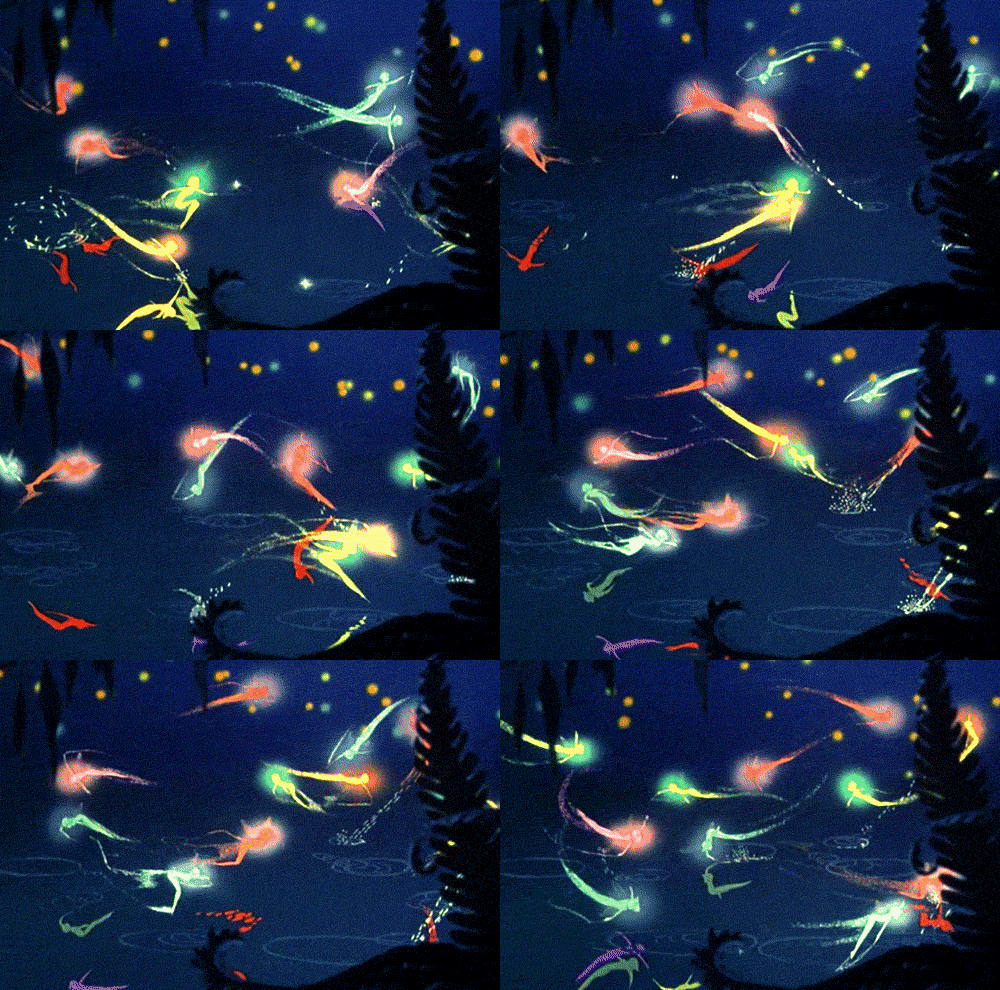
In other words, I stopped believing in faeries. 

And now that I have the perspective (thank you, nutrition!) to at least admit I'm struggling, I have the hope of getting better--for real this time. This summer let me know that it's possible, even if I'm still a bit of an addict. Thinking of an eating disorder as an addiction can be helpful because, like other addictions, eating disorders lead to compulsive behaviors and alter the reward centers in our brains. Exercise can become a compulsion that initially leaves us feeling "high," but over time, that high goes away, and all that's left is someone so desperate to feel "numb" or "safe" that they're willing to sacrifice everything just for a few more minutes on the treadmill. Same with unhealthy fasting. It's not an answer to anything--just a temporary high that comes with long-term consequences.

I'm writing this to let you know that relapses are okay and that you still have permission to heal. If you've relapsed--even if just slightly--you still deserve to do the work to get better. You have permission to have the life you want to have. You can learn to believe in faeries again, and as we all know from Peter Pan, that's all it takes to bring them back to life.


<3 Frances


Images are not mine. 


Thursday, April 4, 2019

Confessions of a Cortisol Junkie

I come from a long line of cortisol junkies. We treat coffee and green tea like they're food, prefer intense cardio sessions to relaxing movements, stay up late working, and even wash our faces with anxious rapidity.

Where do we get all of this energy if we're eating sparingly and sleeping shallowly? Is it magic? A gift?

No. It's just cortisol.

Found on Pinterest.com

Cortisol is a hormone released by the adrenal cortex in times of stress. It's one of the key hormones of the "fight or flight" response, and, while it's very much necessary in the body, Mama Nature never intended for it to be our go-to fuel source. (As all of us eating disorder warriors need to recognize, the best go-to fuel source is food. Which means that survival depends on eating. Sigh.)

My tendency to run on cortisol (both literally and figuratively) has really contributed to my tendency to engage in restrictive eating behaviors. Feeling empty gives me energy, but what I'm learning is that the human body can only take so much depletion before it gives up. Chronic jaw issues, dry skin, and anxiety are some of the symptoms that are triggering me to realize that maybe the cortisol junkie lifestyle isn't very sustainable. And many of the women in my family who are also cortisol junkies have suffered a plethora of health conditions related to their adrenal systems.

Cortisol breaks down our bones and causes inflammation in our bodies, and when we're malnourished, we tend to have even more anxious, self-deprecating thoughts than we normally would.  Ever notice how not eating makes it more difficult to eat? Yeah. It's a vicious cycle, and the only way to break out of it is to make the conscious choice to not give into your desire for the cortisol-induced "high."  Think of yourself as a WARRIOR. Be STRONGER than whatever mean voice exists inside your mind.

You are not your thoughts, and whenever you're tempted to engage in an eating disorder behavior, remember that you are WONDER WOMAN, and you're flawless.

From giphy.com 


<3 <3 <3 

Tuesday, March 12, 2019

Identity and Playing Small

After work today, I was feeding my cats and listening to Oprah and Eckhart Tolle Chapter 7 of A New Earth when I heard their conversation shift to eating disorders. A caller phoned in asking for advice on how to release her attachment to her "eating disorder identity," and her words sounded just like some of the ones that so often go through my mind. Once we've consciously acknowledged that we need to recover, how do we take the leap and let go of the false "safety" that an eating disorder provides?

In the podcast, Oprah and Eckhart explained that the answer can be found in becoming more present and embodied. That makes a lot of sense given that the whole premise of A New Earth is presence = awakening, but they took this idea further by saying that, when we're caught in the eating disorder identity, we're refusing to see ourselves as "bigger" than our eating disorder selves.  Oprah's advice was particularly powerful. She said that the eating disorder is "as big as you know yourself to be right now. And when you know yourself to be something more, you will choose to be the something more and not this 'little me' that has an eating disorder."


WOW. Eating disorders may feel safe and easy, but they aren't who we are, and even if we feel like they're "working" for us sometimes, they aren't. All eating disorders can do is hurt us, our relationships, and our lives, and we need to stop "playing small" so that we can recognize the awesomeness and potential that exist beyond the eating disorder world.

Image result for eating disorder recovery quotes


<3 <3 <3

Tuesday, January 1, 2019

New Year's Recovery Goals

Happy New Year, loves! This can be a wonderful time for refreshing and reflecting, but it can also be a time that is fraught with self-judgement and self-hatred. I'm trying to make the season of twinkly lights and hymns last as long as possible, but as Christmas is now over, most of the media has shifted its attention to diets. I wrote quite a bit about the whole "new year, new me" mindset in my last post, and I'm definitely noticing just how much pressure there is to "make up for the holidays."

SIGH.

What are we really "making up" for? It's awesome to do things that make your body feel better--taking a walk with your family, eating something nourishing and warming, drinking a cup of tea--but please don't jump on the restriction bandwagon! It's crazy tempting, I know, but it's not worth it. I'm reading BrainwashED by Elisa Oras, and I've learned so much about how chronic dieting hurts our bodies. Think about it: how can our bodies trust us if we're constantly depriving them of nourishment and forcing them into insane exercise routines?
Related image
How our bodies feel when we're chronically dieting (Giphy)

Instead of setting yourself up for another round of what Elisa calls "Diet Merry-Go-Hell," how about taking 2019 as an opportunity to set yourself up for long-term health awesomeness? I'm proposing a challenge for all of us eating disorder warriors to actually get better. Woah, there, wait a second . . . what if that means changing physically? Change = scary!!

But isn't change the whole point of recovery? If I were healthy right now as I am, then why would I even need to recover?  

Snacks, increasing intake, getting rid of "sick" clothes, decreasing physical activity (see below) . . . these all freak Bellatrix* out, but if I want her to let me go, I need to make her as uncomfortable as possible. Even if that means she'll make me a bit uncomfortable in the process.
Related image
When you're not supposed to exercise in recovery . . . . (Giphy)
My "new year, new me" plans include doing most of the things that the fitness magazines tell you not to do, but, just like everyone else, I'm doing these things in order to get healthy. We're all different. If you're getting over anorexia, for instance, eating dessert every night may be just what you need to do in order to be the healthiest version of yourself. PLEASE, don't judge yourself, restrict yourself, or hurt yourself. Be your body's best friend. All your body wants to do is to keep you alive, so let it.

Talk to yourself like you love yourself, eat like you love yourself, and move (or rest) like you love yourself. Following breakfast, a morning snack, and lunch, I'm feeling kind of uncomfortable, but I'm sitting (not standing, running, or pacing!) with a heating pad and doing my homework. The fitness magazine says I should skip a morning snack, go on a run, and fast as long as I can, but I'm not going to do that because I've tried already tried all those things. I've done exactly what the magazines want me to do, and guess what? My skin dried out, I became irrationally afraid of eating, and I spent a good portion of high school stressing about how to avoid eating dessert at my birthday. I'm sick from Bellatrix, and I'm sick of Bellatrix. 2019 is not her year.

<3 <3 <3 

*Bellatrix is the name I use for the eating disorder voice in my head. Note that I adore Helena Bonham Carter and Harry Potter. I only call the eating disorder voice "Bellatrix" because I love movies and literature and Bellatrix is a really scary villain.


Sunday, December 23, 2018

Holiday Thoughts from Eating Disorder Recovery

Now that final exams are over and it's almost the last day of Advent, I feel like the whole season is going by very quickly, and it's increasingly difficult to stay grounded amidst the chaos of last-minute shopping and mailing and the close of the semester as both a student and a teacher. The little kids I work with were very excited to be going home for winter break, and I'm grateful to be home. Most of my energies are now devoted to approaching scholarship deadlines, cleaning, sending packages, cat-sitting, and more cleaning, but, as someone still "in recovery," my thoughts have of course wandered to places eating disorder-related.  Needless to say, some of those places have been more enlightened than others.

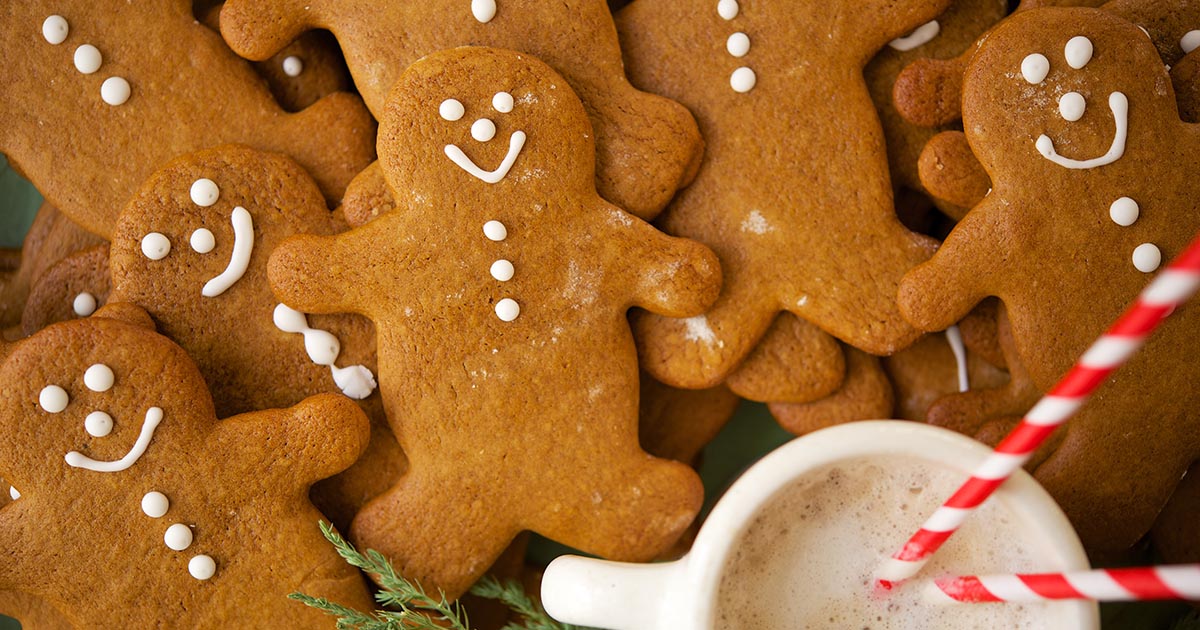
Seriously, though . . .  these gingerbread men are more enlightened than I am sometimes.

Image result for gingerbread cookies
From delish.com

It's the time of year that, between Christmas songs, radios play advertisements for gym memberships to help you "get back on track" after the holidays. I'm by no means being critical or negative about these ads. Gym memberships can be wonderful opportunities for people to take a break, relax, and do something fun and active. But the way we talk about "fitness" is seriously flawed. By using phrases like "earn it to burn it," we've created a paradigm that food and exercise are related. In order to eat, you need to work out.

If I told that to my child self, she'd look at me like I were crazy. For little kids, "working out" isn't really a thing. My students move around intuitively, eat intuitively, sleep well, and lead healthy lifestyles just by default, and they all look different based on genetics. They don't have any of the addictive, unhealthy habits that hurt people physically and mentally, and they don't exist in extremes. None of them are equating what they eat to how they move, yet none of them are spending all day watching YouTube videos, either. "Balanced' doesn't mean "following all the magic health guidelines" and being "perfect." It means just being and living in a way that is light and flexible and free and connected to nature, your spirit, and other people.

In other words, "balanced" does not mean jumping on the self-hate train as soon as the holidays are over.

I know that this is much easier said than done. It's been a long, long time since I've eaten dessert and felt totally, 100% "free" about it afterwards. Usually, a lot of breath-holding and self-hate is involved! As someone who loves yoga, meditation, and spirituality, I often feel like a hypocrite. I give so much lip service to "compassion" and "loving-kindness" and "flexibility," but then when I'm supposed to be compassionate, kind, and flexible with myself, I'm the opposite.

Image result for she's a life ruiner meme
Janis is probably talking about anorexia! (Image not mine.)

What's been helping me in times of self-bullying (which, for anyone affected by New Year's food- and body-shaming, may be more frequent during the holiday season) is taking a deep breath and going to that more spiritual place in my head that realizes my body is a gift, not a burden or an object. Again, this is easier said than done, but when you're judging yourself, try to take a step away from yourself. There's this lovely quote floating around the Internet about how everyone is just a "ghost piloting a meat-covered skeleton made of stardust." If at our essence we're really just ghosts/souls/spirits/cosmic beings, then our bodies are vehicles through which we can interact with the world. We need to appreciate them for what they are, take care of them, and stop angsting about how to "change" and "fix" them. JUST BE. The only thing you need to "detox" right now is self-hate. It's doing much more damage than any enlightened little gingerbread man every will.

<3 <3 <3 

Thursday, November 1, 2018

Re-framing "Just Do It" for Eating Disorder Recovery

Just Do It. That's the trademark phrase we see plastered across images of sweat-drenched athletes and exercisers all over the world. And while there's nothing at all wrong with that--yay for sports and sneakers--the whole idea of "just do it" becomes insidious when seen through the lens of an eating disorder. In the throes of anorexia, exercise addiction, etc., "just do it" can be a motivator to push harder, faster, strong, longer.

I used to see "just do it" as a justification for my compulsive movement and restrictive eating, and even today it makes me feel a bit inadequate. I mean, here I am, trying to relax more and eat more while there are all these Nike models out there who are boxing and dieting and sweating.

I love yoga and have found so much relief and flexibility in it--far more than I ever found in excessive running and HIIT--but it doesn't make me as exhausted or intense as anyone in a sports advertisement ever looks. And because society has come to praise the HIIT-doing, weightlifting, super-fit people we see in magazines and on TV, I've been brainwashed into thinking that I need to be exhausted and/or adrenaline-buzzed after a workout or else it "doesn't count." Newsflash: stop doing things that make you feel totally drained or that increase your anxiety. If your workout is making you more stressed or is messing with your hormones, it isn't working for you. As I've written here before, some of us do well on running, others of us do well on more low-intensity things, and some of us don't "do" any sort of formal exercise at all. Movement is dependent on the individual, so let's stop comparing ourselves to the advertisements, take a collective deep breath, and just "be" in our bodies. Being in your body is much more fulfilling than being in control of your body.

I found this on Google Images, and it's not mine, but it's adorable!

But back to "just do it." What I've realized recently is that "just do it" can actually be used very effectively as a motivator to get better. After all, isn't the whole purpose of "just do it" to motivate people to become healthier versions of themselves?  Just as with exercise, health is subjective, and getting healthy isn't limited to adding a gym membership and picking up a calorie-tracking app. For people getting over anorexia or trying to fix a hormonal imbalance related to stress and restriction, getting healthy often means eating more food (even if that's counter-intuitive sometimes) and reducing compulsive movement behaviors. Earlier today, while debating whether or not to eat a more substantial morning snack than I'm usually comfortable with, I told myself that I would allot five seconds to worrying/trying to convince myself I didn't need to eat "extra." After five seconds, I told myself, "Just do it." I ate the snack, it was good, and it was over.

Recovery. It's what's healthy for your body.

Just do it.

<3 <3 <3